Bit adapters
 Carbide glass, tile scriber
 Ceramic and tile drill bit
 Chisel set
 Composite drill bit
 Concrete diamond equipment
 Concrete drill bit
 Concrete drill bit set
 Core drill bit
 Countersink bits for wood
 Drill Chuck
 Drill stop collar
 Drilling stand
 Flat chisel
 Hand tab set
 Hard stone and granite drill bit
 Metal drill bit sets
 Metal saw blade
 Multi-material drill bit
 Multi-material hole saw
 Round dies
 Saw blade for wood
 Saw blade set
 Screw bit sets
 Screw bits
 Screw extractor
 Screwdriver handle
 Socket adapters
 Steel drill bit
 Steel Scribers
 Step drilling bits
 Thread tap
 Wood drill bit
 Wood hole saw
Core drill bits are used to create large diameter holes in concrete, natural stone, solid brick and tiles in construction projects, especially when installing electrical conduits, water pipes, ventilation ducts or technical equipment. The Diager 436 series offers diameters from 46 mm to 450 mm, lengths from 240 mm to 450 mm, with diamond-coated cutting heads featuring wave-pattern flutes that increase cutting speed and reduce friction heat.
The standard cylindrical shank allows mounting on handheld drills or drill stands with suitable torque. The product range includes codes such as 436AD102L0400, 436BD112L0450, 436BD172L0450, 436AD200L0400 and 436BD300L0450, meeting various requirements for drilling depth and hole size. Diager.vn is the official distributor of Diager 436 core drill bits imported from France, guaranteeing clear origin and warranty according to manufacturer standards.

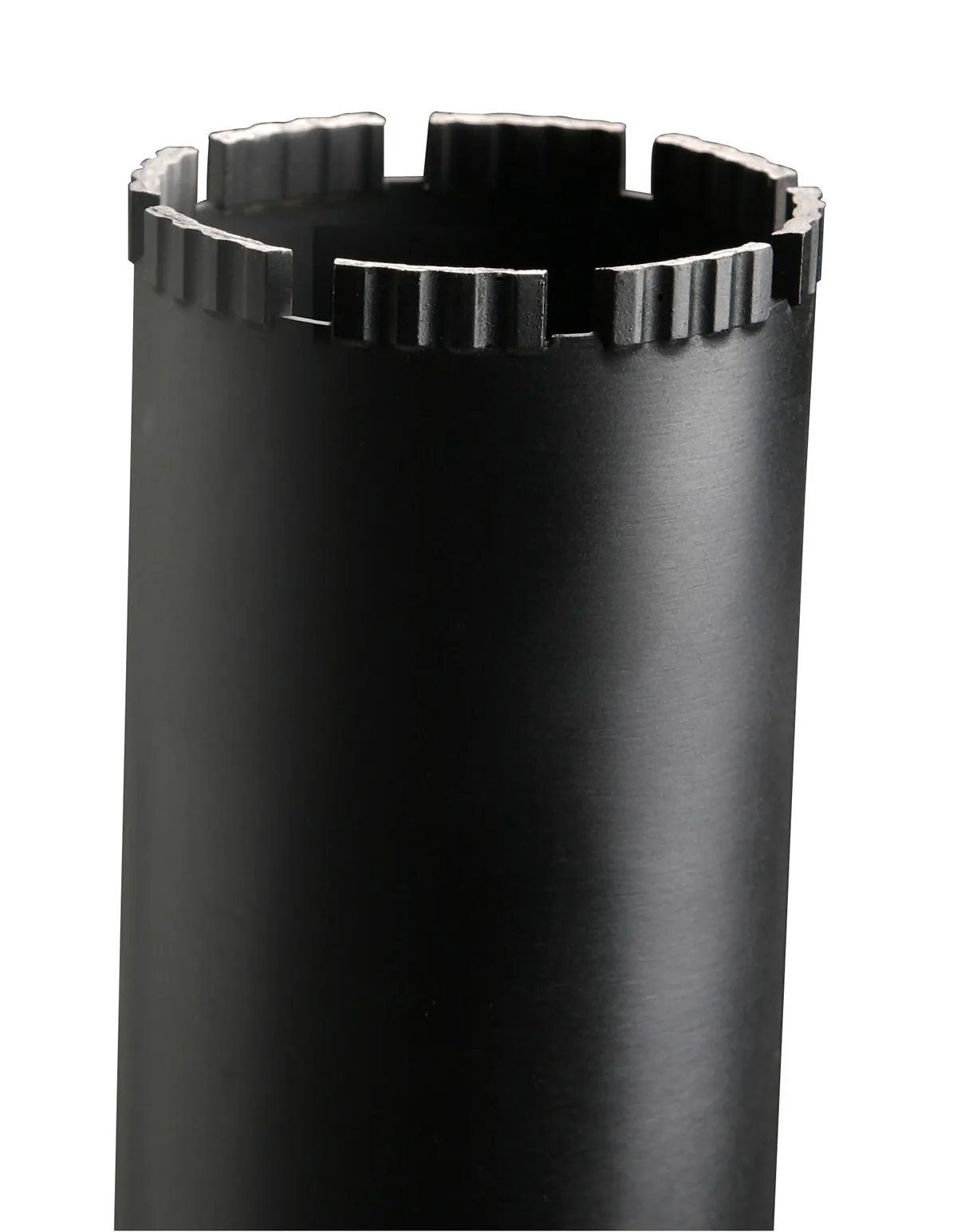
Core drill bits are used to create large-diameter holes in concrete, natural stone, solid brick, and tile in construction projects, especially when installing electrical conduits, water pipes, ventilation ducts, or technical equipment. The Diager 436 range provides diameters from 46 mm to 450 mm, lengths from 240 mm to 450 mm, and diamond-coated cutting heads with corrugated segments that increase cutting speed and reduce friction heat.
The standard cylindrical shank allows mounting on handheld drills or drill stands with suitable torque. The product range includes codes such as 436AD102L0400, 436BD112L0450, 436BD172L0450, 436AD200L0400, and 436BD300L0450, meeting various depth and hole size requirements. Diager.vn distributes genuine Diager 436 core drill bits imported from France, with clear origin and warranty according to manufacturer standards.
Core drill bits are used to drill large-diameter holes in concrete, natural stone, solid brick, and tile in construction projects. Unlike conventional drill bits that only create small holes, core drill bits allow the creation of electrical conduits, drainage pipes, ventilation ducts, or equipment installation holes with diameters from 46 mm to 450 mm.
The structure of a core drill bit includes a metal tube body and a cutting head coated with diamond or hard alloy, enabling cutting of hard materials without breaking the surrounding structure. This product range includes various diameters and lengths, from short 240 mm bits to long 450 mm bits, meeting different drilling depths and material types.
The Diager 436 range uses diamond segments with corrugated grooves to increase cutting speed and reduce friction heat during continuous drilling. The standard cylindrical shank allows mounting on handheld drills or drill stands with suitable torque. Choosing the correct diameter and length of core drill bit saves construction time and ensures hole accuracy according to technical drawings.
Core drill bits are classified primarily by cutting head diameter and bit body length. Diameter determines the final hole size, while length determines the maximum depth that can be drilled through walls or concrete floors. The Diager 436 product range provides diameters from 46 mm to 450 mm, suitable for various installation requirements.
Small-diameter drill bits from 46 mm to 66 mm are commonly used for electrical conduits, small water pipes, or sensor installation holes. Codes such as 436AD046L0400, 436BD046L0450, 436AD056L0400, 436BD056L0450, 436AD061L0400, 436AD066L0400, and 436BD066L0450 belong to this group. Lengths of 400 mm or 450 mm allow drilling through thick walls or standard concrete floors.
Medium-diameter drill bits from 76 mm to 122 mm serve for installing drainage pipes, ventilation ducts, or large electrical cable conduits. Representative codes include 436BD076L0450, 436BD087L0450, 436AD092L0400, 436BD092L0450, 436AD102L0400, 436BD102L0450, 436AD112L0400, 436BD112L0450, 436BD117L0240, 436BD117L0450, and 436BD122L0450. Code 436BD117L0240 has a length of 240 mm, suitable for drilling thin walls or partitions.
Large-diameter drill bits from 142 mm to 450 mm are used for main drainage pipes, central ventilation ducts, or industrial equipment installation holes. Codes such as 436BD142L0450, 436AD152L0400, 436AD162L0400, 436AD169L0400, 436BD172L0450, 436BD182L0450, 436AD200L0400, 436BD212L0450, 436BD226L0450, 436BD250L0450, 436BD266L0450, 436BD275L0450, 436BD277L0450, 436BD297L0450, 436BD300L0450, 436BD342L0450, and 436BD450L0450 require drills with high power and the ability to maintain stability during drilling.
The cutting head of a core drill bit uses diamond or hard alloy mounted on a steel rim. Diamond has high hardness and good wear resistance when cutting concrete, granite stone, ceramic tile, and porcelain tile. Diamond segments are arranged in corrugated or serrated patterns to increase contact area and reduce resistance during drilling.
The drill bit body is made of alloy steel, ensuring rigidity when subjected to torsional force and axial pressure. The inner surface of the bit body has chip evacuation grooves, helping cut material fragments exit quickly and reducing temperature in the cutting zone. The standard cylindrical shank allows mounting on handheld drill chucks or drill stands.
The Diager 436 range uses diamond segments with corrugated grooves, helping increase cutting speed and reduce vibration during continuous drilling. This design is suitable for drilling reinforced concrete, hard natural stone, and thick tile. The drill bit can work dry or wet, depending on project requirements and material type.
Core drill bits are widely used in installing electrical, water, ventilation, and drainage systems. When creating holes through walls or concrete floors to install conduits, core drill bits allow fast and accurate drilling without cracking the surrounding structure.
In residential construction, small-diameter drill bits from 46 mm to 66 mm are used for recessed electrical conduits, domestic water pipes, or electrical box installation holes. Medium-diameter drill bits from 76 mm to 122 mm serve for installing sink drainage pipes, toilet pipes, or bathroom ventilation ducts.
In industrial construction, large-diameter drill bits from 142 mm to 450 mm are used for main drainage pipes, central ventilation ducts, or machinery equipment installation holes. Codes such as 436BD250L0450, 436BD300L0450, and 436BD450L0450 require drills with power from 2000 W or more and the ability to maintain stability during continuous drilling.
Choosing a core drill bit depends on the material to be drilled and the thickness of the wall or floor. Concrete typically has high hardness, requiring diamond drill bits and drills with high torque. Natural stone such as granite or marble requires low rotation speed and water cooling to avoid cracking.
Solid brick and tile have medium hardness and can be drilled with diamond or hard alloy bits. Medium rotation speed from 500 to 1000 rpm helps cut quickly without breaking the tile. Ceramic and porcelain tile require water cooling to reduce temperature and increase drill bit life.
Drill bit length must be at least 50 mm greater than the thickness of the material to be drilled to ensure complete penetration. A 400 mm drill bit is suitable for walls 300 mm to 350 mm thick, while a 450 mm bit is used for walls 400 mm thick or concrete floors 350 mm thick.
Before drilling, mark the hole position on the material surface and check that there is no rebar or conduit inside. The drill must securely mount the drill bit and adjust rotation speed appropriate to the bit diameter and material type.
When drilling concrete or natural stone, continuous water cooling should be used to reduce cutting head temperature and increase drill bit life. Axial pressure must be even and moderate, avoiding excessive pressure that can break the bit or crack the material. After each drilling session, clean chips adhering to the cutting head and check diamond segment wear.
Store core drill bits in a dry place, avoiding strong impacts to the cutting head. Do not expose drill bits to corrosive chemicals or prolonged high temperatures. When diamond segments are worn out, replace with a new bit to ensure drilling speed and hole quality.